Treatments
  • Implants 01
  • All-on-X 02
  • LANAP 03
  • Pinhole 04
Minimally Invasive — Scalpel-Free Protocol

Gum recession, corrected without a graft.

The Chao Pinhole® Surgical Technique repositions your own gum tissue through a single pinhole-sized entry point — no incisions, no sutures, and no tissue taken from the roof of your mouth.

See How It Works

What gum recession is, and why it matters.

Gum recession is the gradual loss of gum tissue along the gumline, exposing the root structure beneath. It develops from periodontal disease, the natural aging process, or years of abrasive brushing — and it rarely reverses on its own.

Once the root is exposed, decay and sensitivity can take hold along and beneath the gumline. Treating recession early protects both the appearance of your smile and the long-term health of the tooth.

Traditional treatment involves grafting donor tissue — often taken from the roof of the patient's mouth — and suturing it into place. The Chao Pinhole® Surgical Technique (PST) was developed by Dr. John Chao as a scalpel-free, suture-free alternative that achieves comparable results with a far easier recovery. Dr. Pellegrini was trained directly under Dr. Chao in the tools and techniques of the procedure.

0
Incisions or sutures
24–48h
Typical return to routine
1
Visit per treated area

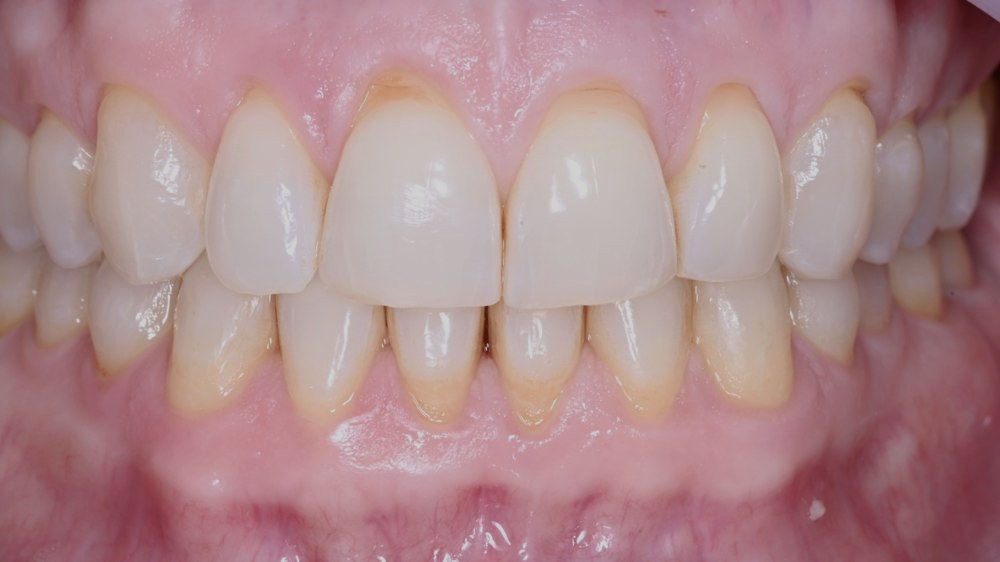
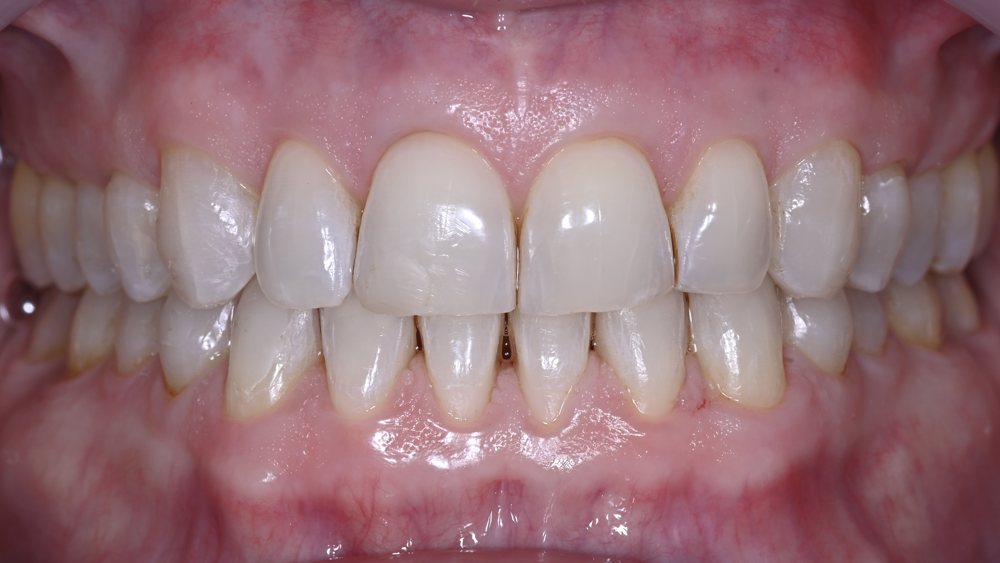
Real gum recession, before and after PST.

How the procedure is performed.

  • 01
    Local anesthesia
    The treatment area is numbed; no sedation or general anesthesia is required.
  • 02
    A single pinhole entry point
    A needle creates a small opening in the existing gum tissue above the recession — no scalpel, no incision line.
  • 03
    Loosening and repositioning
    Specialized instruments are passed through the pinhole to gently loosen and slide the gum tissue down over the exposed root.
  • 04
    Stabilizing the new position
    Small collagen strips are placed through the same entry point to hold the repositioned tissue in place while it heals.
  • 05
    No sutures needed
    Because there's no incision, there's nothing to stitch closed — the pinhole itself closes naturally within days.

Why patients choose PST over traditional grafting.

  • Recovery

    Most patients return to normal routines within 24–48 hours, versus a week or more for grafting.

  • Comfort

    No sutures and no palate donor site means significantly less post-operative discomfort.

  • No donor tissue

    The existing gum tissue is repositioned, so nothing is removed from the roof of the mouth.

  • Multiple teeth

    Several teeth across the same area can often be treated through a single entry point in one visit.

  • Appearance

    Results are typically visible immediately, with the gumline continuing to mature over the following weeks.

Is PST the right approach for your case?

PST is well suited to patients with gum recession caused by periodontal disease, aging, or aggressive brushing, particularly when several teeth in the same area are affected. A clinical exam determines the extent of recession and whether tissue quality and thickness support the technique.

Dr. Pellegrini trained directly with Dr. John Chao, the technique's originator, and evaluates each case individually before recommending PST over traditional grafting or other periodontal approaches.

Not every case of gum recession is a candidate for PST. An in-person evaluation is the only way to confirm whether this approach — or an alternative — is right for you.

Ready to talk through your gum recession?

Tratamientos
  • Implantes 01
  • All-on-X 02
  • LANAP 03
  • Pinhole 04
Mínimamente Invasivo — Sin Bisturí

Recesión de encías, corregida sin injerto.

La técnica Pinhole reposiciona la propia encía del paciente a través de un pequeño orificio — sin incisiones, sin suturas y sin tomar tejido del paladar.

Ver Cómo Funciona

Qué es la recesión de encías y por qué importa.

La recesión de encías es la pérdida gradual de tejido gingival a lo largo de la línea de la encía, que expone la raíz del diente. Puede originarse por enfermedad periodontal, el proceso natural de envejecimiento o el cepillado agresivo, y rara vez se revierte por sí sola.

Una vez expuesta la raíz, la caries y la sensibilidad pueden afectar la zona. Tratar la recesión a tiempo protege tanto la estética de la sonrisa como la salud del diente a largo plazo.

El tratamiento tradicional utiliza tejido de injerto — a menudo tomado del paladar del propio paciente — suturado en su lugar. La técnica Pinhole, desarrollada por el Dr. John Chao, es una alternativa sin bisturí y sin suturas que logra resultados comparables con una recuperación mucho más sencilla. La Dra. Pellegrini se formó directamente con el Dr. Chao en las herramientas y técnicas del procedimiento.

0
Incisiones o suturas
24–48h
Retorno típico a la rutina
1
Visita por zona tratada

Recesión real, antes y después de la técnica Pinhole.

Cómo se realiza el procedimiento.

  • 01
    Anestesia local
    Se adormece la zona a tratar; no se requiere sedación ni anestesia general.
  • 02
    Un único orificio de entrada
    Una aguja crea una pequeña abertura en la encía existente sobre la zona de recesión — sin bisturí, sin línea de incisión.
  • 03
    Liberación y reposicionamiento
    Instrumentos especialmente diseñados se pasan a través del orificio para liberar y deslizar suavemente la encía sobre la raíz expuesta.
  • 04
    Estabilización de la nueva posición
    Se colocan pequeñas tiras de colágeno a través del mismo orificio para mantener el tejido reposicionado mientras cicatriza.
  • 05
    Sin necesidad de suturas
    Al no haber incisión, no hay nada que suturar — el propio orificio cierra naturalmente en pocos días.

Por qué los pacientes eligen la técnica Pinhole.

  • Recuperación

    La mayoría de los pacientes retoma su rutina normal en 24 a 48 horas, frente a una semana o más con injertos.

  • Comodidad

    Sin suturas y sin sitio donante en el paladar, la molestia postoperatoria es mucho menor.

  • Sin tejido donante

    Se reposiciona la propia encía del paciente, por lo que no se extrae nada del paladar.

  • Varios dientes

    Varios dientes en la misma zona suelen poder tratarse a través de un único punto de entrada en una sola visita.

  • Estética

    Los resultados suelen ser visibles de inmediato, y la línea de encía continúa madurando en las semanas siguientes.

¿Es la técnica Pinhole adecuada para su caso?

La técnica Pinhole es adecuada para pacientes con recesión de encías causada por enfermedad periodontal, envejecimiento o cepillado agresivo, particularmente cuando varios dientes de la misma zona están afectados. Un examen clínico determina la extensión de la recesión y si la calidad y el grosor del tejido permiten la técnica.

La Dra. Pellegrini se formó directamente con el Dr. John Chao, creador de la técnica, y evalúa cada caso individualmente antes de recomendar la técnica Pinhole frente a injertos tradicionales u otros abordajes periodontales.

No todos los casos de recesión de encías son candidatos para la técnica Pinhole. Una evaluación presencial es la única forma de confirmar si este abordaje — u otro — es el adecuado para usted.

¿Lista para hablar sobre su recesión de encías?